
Warmer weather changes how many people drink coffee. Heavy mochas and spiced winter lattes start to feel out of place once temperatures climb, and lighter, fruitier, or iced options take their place. Spring coffee drinks cover a wide range, from simple cold brew poured over coffee ice cubes to layered lattes flavored with lavender, citrus, or berry syrups.
Most of these drinks can be made at home with equipment you probably already own: a brewer, a pitcher, a cocktail shaker, and a refrigerator. A few syrups and a batch of frozen coffee cubes are enough to cover an entire season of experimenting.
Why Spring Changes the Coffee Menu
Seasonal drinking habits follow both temperature and produce. Once farmers markets fill with strawberries, rhubarb, and fresh mint, those flavors start showing up in coffee shops and home kitchens alike. Iced coffee sales rise sharply in spring and summer across most of the United States, and cold brew has moved from a niche product to a standard menu item at chains and independent cafes.
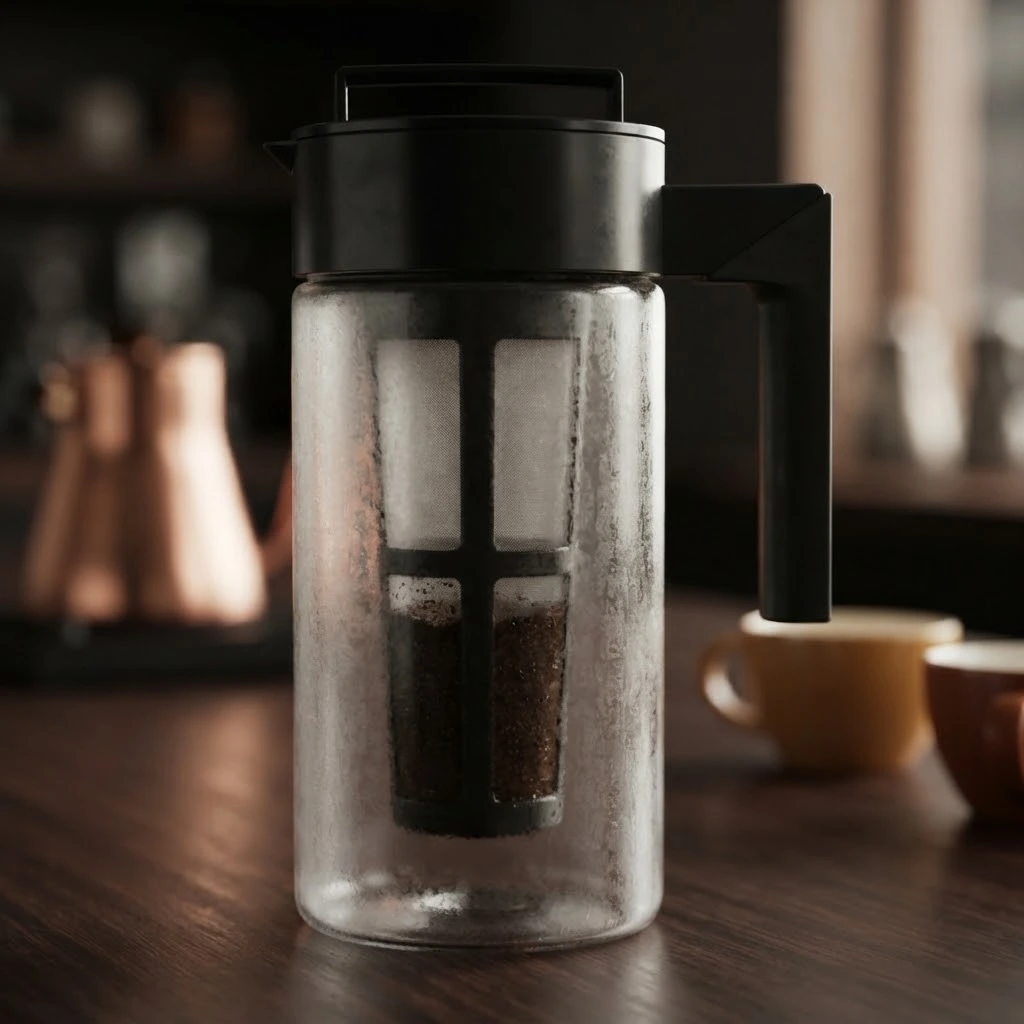
Spring also brings a practical shift in brewing. Hot coffee cools quickly outdoors, so many people switch to concentrate-based drinks that hold up over ice. A cold brew concentrate, made by steeping coarse grounds in cold water for 12 to 18 hours, stays fresh in the refrigerator for about a week and can be diluted to taste.

Start With a Good Base
The quality of the coffee matters more in spring drinks than in heavily sweetened winter ones, because cold temperatures mute aromatics. Sweeteners and milk also dilute flavor, so a weak brew disappears once it hits the glass.
Brew Stronger Than Usual
For iced drinks, brew at a higher ratio than you would for a hot cup. A common starting point is 1 part coffee to 4 parts water by weight for concentrate, then dilute with milk or water to taste. If you use a drip brewer, simply add less water or more grounds rather than adjusting afterward.
Freeze Coffee Instead of Water
Coffee ice cubes solve the dilution problem. Pour leftover brewed coffee into an ice tray, freeze it, and use those cubes in any iced drink. The drink stays strong as the cubes melt instead of turning watery. This single habit improves nearly every recipe that follows. Standard ice works fine when the drink is meant to be light, but for anything built around espresso or concentrate, coffee cubes are the better choice.
Keep Syrups Simple
A basic simple syrup is equal parts sugar and water, heated until the sugar dissolves, then cooled. It keeps in the refrigerator for several weeks. Flavor it with vanilla bean, citrus peel, fresh mint, or culinary lavender, and strain before storing. Because cold drinks need more sweetness than hot ones to taste balanced, having syrup on hand makes it easy to adjust a glass without stirring sugar into a cold liquid.
Iced and Cold Coffee Drinks for Spring
These drinks rely on ice, milk, and fruit or floral flavors. They work well for mornings that start cool and turn warm by noon.
Classic Iced Latte
Pull two shots of espresso or use half a cup of strong concentrate, pour it over ice, and add cold milk. The ratio is roughly 1 part coffee to 3 parts milk, adjusted to taste. For a spring twist, add a tablespoon of lavender or vanilla syrup and stir before the milk goes in.
Cold Brew With Citrus
Citrus and coffee share aromatic compounds that pair well in light roasts. Pour cold brew over ice, add a strip of orange or grapefruit peel, and let it sit for a minute before drinking. A small amount of orange syrup works too. Ethiopian and Kenyan beans, which often carry berry and citrus notes, suit this style particularly well.
Strawberry Cold Brew
Muddle two or three fresh strawberries in the bottom of a glass, add a little simple syrup, then fill with ice and cold brew. Top with milk or oat milk for a pink, mildly sweet drink. Frozen strawberries work when fresh ones are not current; thaw them first so they release juice.
Iced Mocha
Combine espresso or concentrate with chocolate syrup, stir well, then pour over coffee ice cubes and top with cold milk. Whipped cream is optional. The drink sits between a winter mocha and a summer iced coffee, which makes it useful during the transition weeks of early spring.
Shakerato
The shakerato is an Italian technique rather than a fixed recipe. Shake espresso with ice and a little sugar in a cocktail shaker for about 15 seconds, then strain into a chilled glass. The shaking creates a light foam and chills the coffee quickly without diluting it much. For a lighter version, strain it over fresh ice and add a splash of cream.

Floral and Herbal Spring Lattes
Floral flavors appear on cafe menus every spring, and they are easy to replicate at home with infused syrups. Use them sparingly; a little goes a long way, and too much can taste soapy.
Lavender Latte
Add a teaspoon of lavender syrup to a double espresso, then steam or froth milk and pour it over. The drink can be served hot on a cool morning or iced on a warm afternoon. Culinary lavender is milder than decorative varieties, so check the label before using dried buds from a garden.
Honey and Cinnamon Latte
Honey dissolves more readily in warm liquid, so stir it into the espresso before adding milk. A pinch of cinnamon on top adds aroma. For an iced version, dissolve the honey in a small amount of hot water first, then let it cool before building the drink over ice.
Rose Cardamom Coffee
Rose water and ground cardamom give coffee a Middle Eastern flavor profile that has become more common in specialty cafes. Add a few drops of rose water and a pinch of cardamom to the grounds before brewing, or stir both into a syrup. Rose water is potent, so start with a quarter teaspoon per drink.
Blended and Frozen Options
When spring heat arrives early, blended drinks offer a middle ground between a hot cup and a plain iced coffee.
Coffee Smoothie
Blend cold brew, a frozen banana, a spoonful of yogurt or nut butter, and a handful of ice until smooth. The banana supplies most of the sweetness, so added sugar is usually unnecessary. Using frozen coffee cubes instead of plain ice keeps the flavor from fading as the drink sits.
Smoothie Bowl
The same mixture works as a bowl if you use less milk and keep the blend thick. Pour it into a shallow bowl and top with granola, sliced fruit, or coconut. This version is closer to breakfast than a beverage, which makes it a practical option for warm mornings.
Blended Mocha Frappe
Blend strong coffee, milk, chocolate syrup, and ice until the texture is uniform. A blender with a sturdy blade handles frozen coffee cubes better than a light-duty model. Serve immediately, since the drink separates as it stands.
Make-Ahead Drinks and Coffee Desserts
Some spring coffee recipes benefit from planning ahead, either because they need time to set or because they are better served cold from the refrigerator.
Cold Brew Concentrate
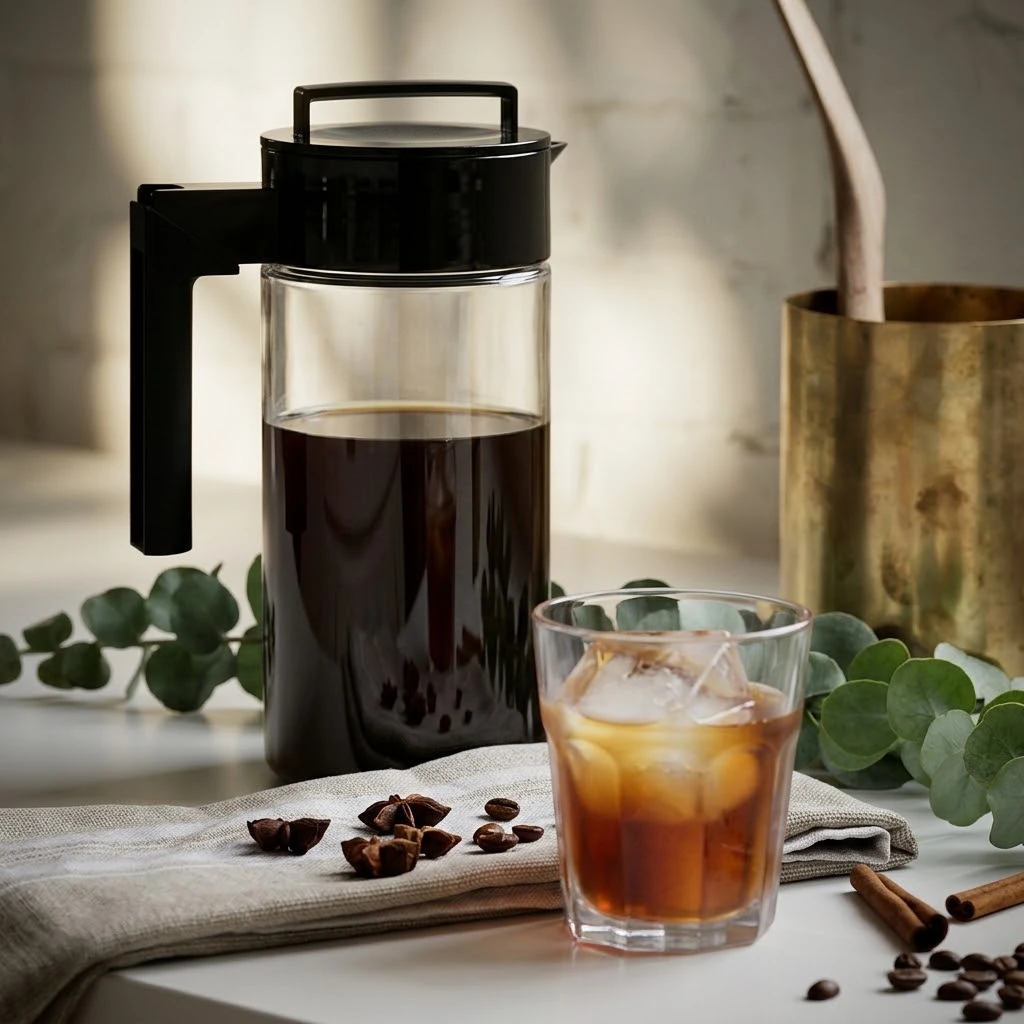
Steep coarse grounds in cold water for 12 to 18 hours, then strain through a fine mesh sieve or cheesecloth. Store the concentrate covered in the refrigerator and use it within five to seven days. Shake or stir before each pour, since solids settle at the bottom.
Coffee Chia Pudding
Combine chia seeds with cold brew, milk, and a sweetener, then refrigerate. The pudding thickens best after at least four hours, and overnight gives a firmer texture. Layer it with yogurt and fruit for a breakfast that carries coffee flavor without a hot brew.
Iced Coffee Popsicles
Pour sweetened cold brew or an iced latte mixture into popsicle molds and freeze. Adding a small amount of cream creates a marbled effect and a softer bite. These keep for several weeks in the freezer and work well for warm afternoons.
Practical Tips for Better Results
- Chill your glass or mug before pouring. A cold vessel slows melting and keeps the drink from warming too quickly.
- Adjust sweetness to match the coffee. A dark, intense roast needs more sweetener than a light one to reach the same balance.
- Add milk last so you can taste the coffee base and correct the strength before the drink is finished.
- Rinse citrus peel before using it as a garnish, and avoid the white pith, which turns bitter in cold drinks.
- Label and date homemade syrups and concentrates. Most keep for one to two weeks in the refrigerator.
Choosing Beans for Spring Drinks
Lighter and medium roasts generally work better in cold and fruit-forward drinks because their acidity and aroma survive chilling. Beans from Ethiopia, Kenya, and parts of Central America often show berry, citrus, and floral notes that complement the syrups used in spring recipes. Darker roasts still have a place in mochas and frappes, where chocolate and milk carry much of the flavor.
Grind size depends on the brewing method rather than the season. Cold brew needs a coarse grind similar to sea salt, while espresso requires a fine grind. If you buy pre-ground coffee for cold brew, ask for a coarse setting, since fine grounds clog filters and turn the concentrate muddy.
Making these drinks at home also cuts the cost of a daily cafe habit. A bag of beans and a bottle of homemade syrup can supply a week or more of drinks for roughly the price of two or three shop-bought ones, and the equipment involved is limited to a brewer, a pitcher, and a freezer tray.